
Fire Damage Restoration
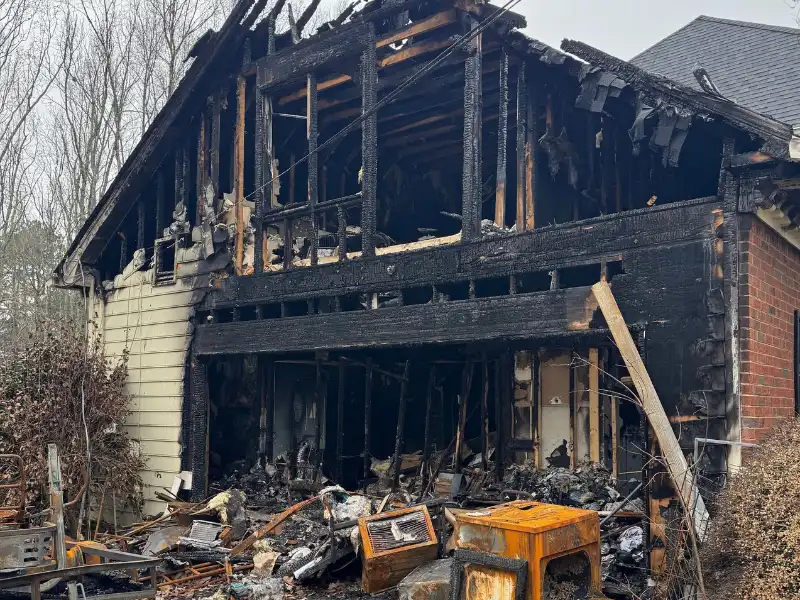
Soot and Odor Removal
Fire and Smoke Damage Restoration from Cleanup through Rebuild
A fire doesn’t stop causing damage once the flames are out. Soot settles into surfaces, smoke odor works into fabrics and drywall, and water from firefighting soaks what the fire didn’t reach.
Fire damage restoration from our crew covers all three, plus pack-out and contents cleaning for your belongings. North Georgia Water Restoration then guides the repairs, so one crew sees the project through.
Call Now Before Soot and Water Do More Damage
Soot can discolor surfaces the longer it sits, while water left behind by firefighting starts feeding mold. Our crews respond 24/7 to begin fire damage cleanup as soon as the fire department clears the property.
Beyond the Burn
The Hidden Effects of Smoke and Soot
Smoke travels well past the room where a fire started. It moves through HVAC ducts, gaps around outlets, and attic spaces, leaving residue on walls, ceilings, and belongings in rooms that look untouched.
Left too long, soot residue can etch glass, tarnish metal, and yellow paint. Odor is just as stubborn, clinging to carpet, upholstery, clothing, and the drywall itself.
Then there’s the water. Hoses and sprinklers can leave floors and wall cavities soaked, which adds drying and mold concerns on top of everything else. Smoke damage restoration handles each of these problems together instead of one at a time.
Testimonials
What Your Neighbors Are Saying


Our Fire Damage Restoration Process
Every fire is different, but recovery follows a clear order so nothing gets missed. Here’s what fire and smoke damage cleanup typically includes:
- Assessment and documentation: We inspect the damage, map moisture from firefighting water, and document everything for your adjuster.
- Water extraction and drying: Standing water is removed, and the structure is dried to limit mold growth.
- Contents protection: Belongings are inventoried, packed out, and cleaned separately from the structure.
- Soot and residue removal: Walls, ceilings, and other surfaces are cleaned with methods suited to each material.
- Odor control: Deodorization targets smoke odor in the structure, furnishings, and other soft goods.
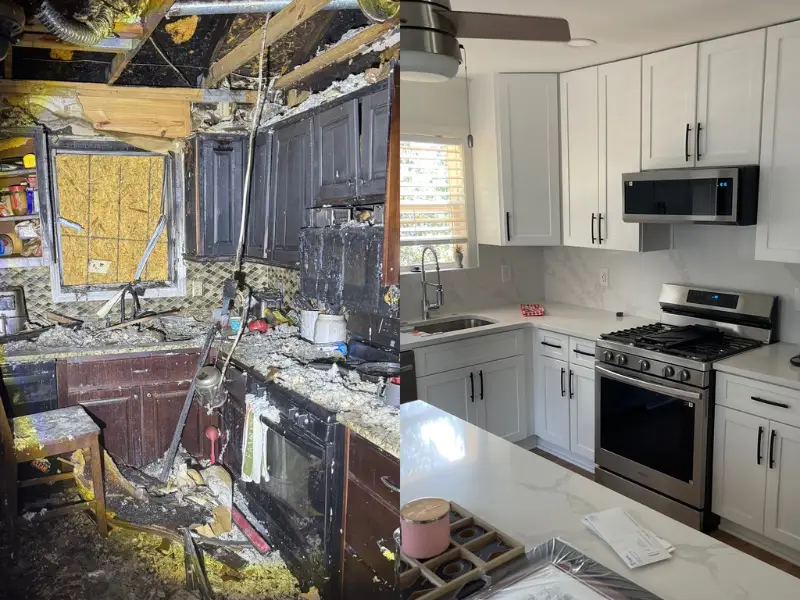
- Repairs and reconstruction: Project managers guide the rebuild, from drywall and paint to cabinets and flooring.
Each step builds on the one before it. You’ll always know what’s finished, what’s next, and roughly how long it should take. Questions are welcome at any stage, and you’ll get straight answers.
Clear Communication
What to Expect While Your Home Recovers
After a fire, the hardest part is often not knowing what happens next. One homeowner recovering from a dryer fire pointed out how clearly our team explained what was done and what came next. That kind of steady communication is part of every project, not an extra.
Fire claims tend to be larger and more detailed than other losses. Damage is documented in Xactimate and DocuSketch, and ESX files can go straight to your adjuster, which helps the scope match what’s actually in the house. Detailed records like these can make conversations about coverage easier.
Older homes around Decatur, Marietta, and Norcross sometimes contain asbestos or lead paint behind damaged walls. Since North Georgia Water Restoration handles asbestos and lead remediation in-house, fire and smoke damage restoration can keep moving without waiting on another contractor.
Smoke can also reach rooms far from the fire, so crews check closets, attics, and HVAC returns for residue before calling any area finished.
Fire damage cleanup often uncovers damaged framing or wiring that needs attention during this phase. Once cleanup is complete, project managers take over the rebuild. The goal goes beyond putting rooms back the way they were, and a final walkthrough lets you see every finished detail before the job closes out.
Frequently Asked Questions
When can you start after a fire?
Work begins once the fire department releases the property. Our crews are available 24/7 and can often arrive the same day to secure what's left, remove water, and start protecting your belongings.
Is it safe to stay in my home after a fire?
Follow the guidance of the fire department and your utility providers first. Smoke, soot, and structural damage can make a home unlivable for a while, and we'll share what we observe once we're inside.
Can smoke odor be removed from my home?
Smoke damage restoration relies on thorough cleaning and deodorization, which addresses most odor problems. Heavily affected materials like insulation or carpet pad sometimes need replacing, and we'll explain which items can be saved.
Should I clean soot myself?
It's best to wait. Wiping soot can smear it deeper into surfaces, and running your HVAC system can spread residue to other rooms, so leave both alone until the property is assessed.
Does insurance cover fire damage restoration?
Most homeowners policies include fire coverage, but the details vary and your insurer makes the final decision. We document the loss thoroughly and work directly with your adjuster throughout the claim.
What happens to my belongings?
Items affected by smoke or soot are inventoried and packed out, then cleaned on-site or at an off-site facility. That keeps them protected while crews work on the structure.
How long does fire and smoke damage cleanup take?
A small kitchen fire may take days, while a larger loss can take weeks once rebuilding is included. Summer lightning strikes in Forsyth and Gwinnett County can cause attic fires that need extra structural work.