
Mold Remediation
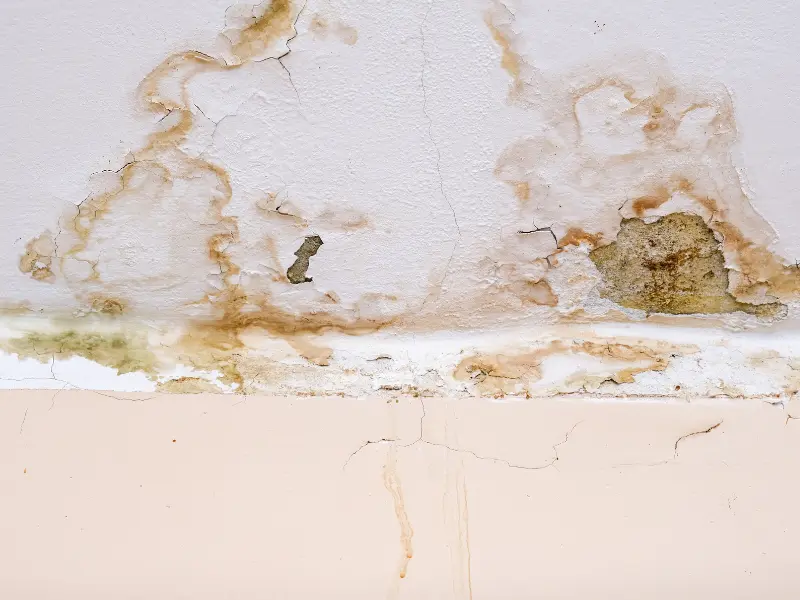
Find the Cause
Mold Remediation That Starts with the Moisture Source
Mold needs moisture to grow, so removing what you can see only solves half the problem. Every mold remediation project begins by tracking down the leak, humidity, or water damage feeding it.
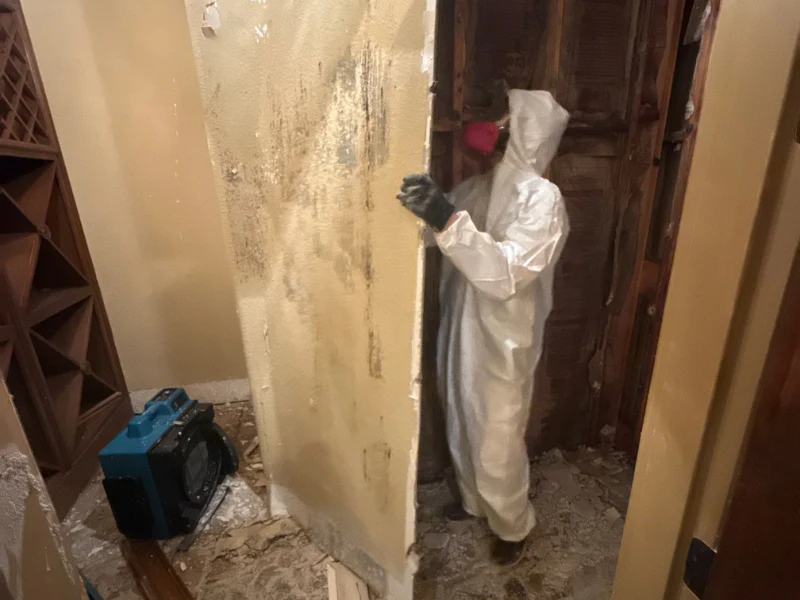
IICRC-certified technicians contain the affected area, remove damaged materials, and clean surfaces to limit the spread. North Georgia Water Restoration then helps you correct the conditions that let mold take hold.
Spotted Mold? Call Before It Spreads Further
Scrubbing or spraying mold can send spores into other rooms. Leave the area alone and call us right away for mold removal that begins with a free inspection and careful containment.
Hidden Growth
Why Mold Keeps Coming Back
Mold spores are present almost everywhere, but they stay dormant until they find moisture and something to feed on. Drywall paper, wood framing, carpet backing, and insulation give them plenty of options. Once they settle in, colonies can spread quietly along damp surfaces.
Georgia’s humid summers make the problem worse. A slow leak behind a shower wall or a damp crawlspace can support growth for weeks before anyone notices a smell or stain.
Surface cleaning won’t hold if the moisture stays. Real mold treatment addresses the source, dries the structure, and removes materials too damaged to save, which gives you the best chance of keeping it from returning.
Testimonials
What Your Neighbors Are Saying


Signs You May Need Mold Remediation Services
Mold doesn’t always show up as a dark patch on the wall. Often the first clues are subtle, especially in basements, attics, bathrooms, and around windows. Keep an eye out for these signs:
- Musty smell: An earthy odor that lingers after cleaning often points to hidden growth.
- Visible spots: Black, green, or white patches can appear on walls, ceilings, or grout lines.
- Past water damage: Areas that stayed wet after a leak or flood are common trouble spots.
- Condensation problems: Sweating windows or pipes signal humidity high enough to support growth.
- Peeling paint or warped surfaces: Moisture inside walls can push finishes loose over time.
- Stains near HVAC vents: Dust and moisture around vents or air handlers can collect growth.
If you notice any of these, avoid touching or disturbing the area. A free on-site assessment will show where the moisture is coming from and how far growth has reached behind the surface.
Step-by-Step Care
How Our Mold Remediation Process Works
Every job starts with an inspection. Technicians check visible growth, use moisture mapping to find damp areas behind walls and under floors, and look for the source feeding the problem. You’ll review the plan and your options before work begins.
Next, the affected area is contained to help keep spores from traveling to clean parts of your home. Air filtration runs during the work, and materials that can’t be cleaned, like saturated drywall or insulation, are carefully removed and bagged.
Remaining surfaces are cleaned and treated, then the structure is dried until moisture readings return to normal. Because North Georgia Water Restoration handles water damage and mold under one roof, the leak, the drying, and the cleanup stay with the same crew.
Black mold removal follows the same careful process. Color alone doesn’t tell you what type of mold you have, so all visible growth gets the same caution. If you’d like to know the species, lab testing is the only reliable way to find out.
Once remediation wraps up, project managers guide any needed repairs, including new drywall, paint, and flooring. We also document the work in Xactimate and DocuSketch for your insurance company when the mold is tied to a covered water loss.
Frequently Asked Questions
Is black mold removal different from other mold removal?
The process is the same. Georgia's humidity supports many kinds of mold, and nearly all of them call for containment, careful removal, and thorough drying.
Can I clean mold myself?
Small spots on hard surfaces can often be handled with basic cleaning. Growth on drywall, wood, or insulation usually goes deeper, and disturbing it can spread spores, so it's best to leave larger areas alone.
How long does mold remediation take?
Many projects take a few days, depending on the size of the affected area and how much material needs to be removed. Drying and repairs can add time, and we'll give you a clearer timeline after the inspection.
Will mold come back after remediation?
It can if the moisture source isn't fixed. Correcting leaks, drying the structure, and keeping indoor humidity in check with ventilation or a dehumidifier give you the best odds of keeping it away.
Does insurance cover mold remediation services?
Many policies cover mold only when it results from a sudden, covered water loss, and some set limits. Your insurer makes the final call, but we'll document the damage and communicate directly with your adjuster.
Why is mold so common in metro Atlanta homes?
Humid summers, heavy thunderstorms, and long stretches of rain all add moisture. Gwinnett County alone has roughly 24,000 acres of floodplain, so creek-side homes in areas like Lawrenceville and Snellville often deal with damp crawlspaces.
What does mold treatment involve?
Treatment includes cleaning affected surfaces, applying products that help control regrowth, and drying the area thoroughly. Crews also treat as they go during water damage projects instead of waiting until the end.