
Water Damage Restoration
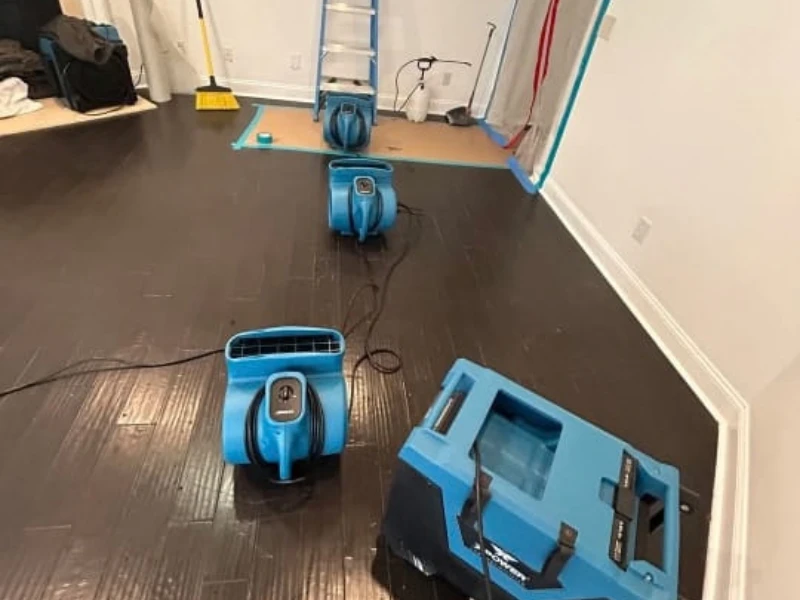
Extraction and Drying
Water Damage Restoration Guided by Moisture Mapping
A burst supply line or a thunderstorm leak can soak drywall, flooring, and insulation within hours. Our water damage restoration process starts with moisture mapping, so the crew knows where water traveled before extraction begins.
Technicians remove standing water, dry the structure, and treat for mold as they go. North Georgia Water Restoration also documents everything for your adjuster, which keeps your claim moving.
Call Now for Emergency Water Damage Cleanup
Every hour water sits, it spreads further into walls and subfloors. Our crews answer 24/7 and can often arrive the same day to start water extraction services and stop the damage early.
Why Speed Counts
What Happens When Water Is Left Behind
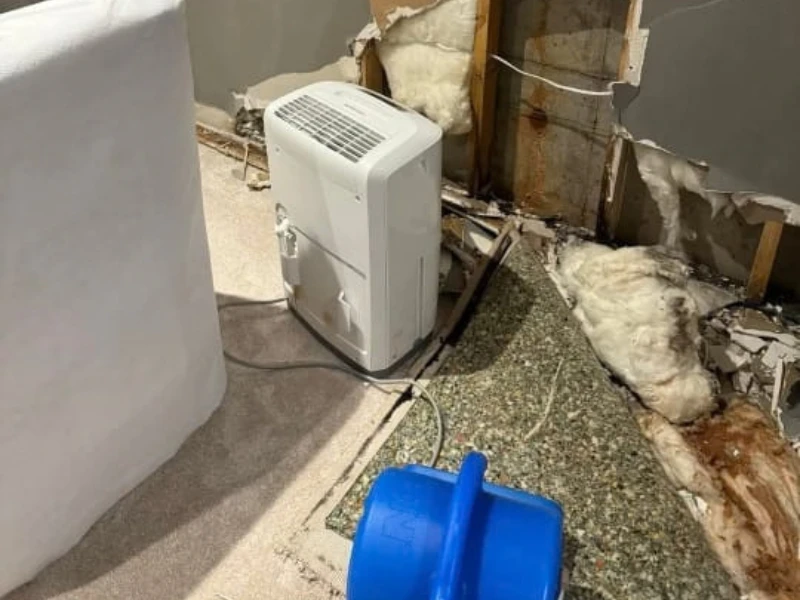
Water rarely stays where it lands. It wicks up drywall, seeps under hardwood and laminate, and settles into wall cavities you can’t see. In Georgia’s humid summers, that trapped moisture gives mold an easy start.
Delays also get expensive. Swollen flooring, crumbling drywall, and soaked insulation often need replacing once they’ve been wet too long, and an insurer may question damage that spread after you found it.
Professional water damage cleanup stops that chain early. Extraction, structural drying, and regular moisture readings confirm the building is actually dry, not just dry to the touch. Those readings also tell the crew when it’s time to start repairs.
Testimonials
What Your Neighbors Are Saying


Signs You Need Water Damage Restoration
Some water damage is obvious, like standing water after a flash flood. Other signs build slowly behind walls and under floors. Watch for these warning signs:
- Musty odors: A damp smell often points to hidden moisture or early mold growth.
- Stains or discoloration: Yellow or brown marks on ceilings and walls can signal a slow leak above.
- Warped or cupping floors: Hardwood and laminate swell and lift when water gets underneath.
- Bubbling paint or soft drywall: Moisture trapped inside the wall pushes paint away from the surface.
- Higher water bills: A jump with no change in usage may mean a hidden supply line leak.
- Water in a crawlspace or basement: Heavy rain can push runoff toward low points around your foundation.
Catching these early usually means a smaller repair. If you notice one or more, don’t wait for the problem to grow. A free on-site assessment will show how far the moisture has spread.
One Call Covers It
How Our Water Damage Process Works
Every project starts with a technician walking the property, checking affected materials, and mapping moisture levels room by room. That map shapes the plan, and you’ll review your options before any work begins.
Next comes extraction. Water extraction services pull standing water from carpet, pad, and hard surfaces, then air movers and dehumidifiers take over the structural drying.
Materials are removed only when drying can’t save them, which keeps demolition to what’s actually needed. Crews check readings throughout and address mold along the way instead of waiting until the end.
Insurance is handled alongside the work. Damage is documented in Xactimate and DocuSketch, and ESX files can go directly to your adjuster, which sometimes means they don’t need a separate site visit. You won’t be stuck translating contractor terms for your insurance company.
Once the structure is dry, project managers return to guide repairs, including new drywall, flooring, paint, and trim. North Georgia Water Restoration handles flood damage restoration too when storm runoff reaches lower levels, including homes near creeks and floodplain areas across Gwinnett County.
In busy areas near I-85, Lawrenceville, and Norcross, roof and pavement runoff can move water toward low points fast. A final walkthrough wraps up the job so you can see exactly what was completed.
Frequently Asked Questions
How long does water damage restoration take?
Drying often takes several days, depending on the materials involved and how long the water sat. Repairs add time after that, and we'll give you a clearer timeline once we've mapped the moisture.
Will my homeowners insurance cover water damage?
Sudden losses like a burst pipe are often covered, while gradual leaks or rising floodwater may fall under different rules or a separate flood policy. Coverage decisions rest with your insurer, but we document everything and work directly with your adjuster.
Can I handle water damage cleanup myself?
Wiping up a small spill is fine, but water that reaches walls, subfloors, or insulation usually needs professional equipment. Moisture meters and mapping show what a towel and a fan will miss.
What's the difference between clean water damage and flood damage restoration?
Water from a broken supply line starts out relatively clean. Floodwater from heavy thunderstorms or overflowing creeks, which Gwinnett and DeKalb neighborhoods see after long stretches of rain, can carry contaminants and often means removing more materials.
How is the cost of water damage restoration determined?
Cost depends on how far the water spread and which materials were affected. The on-site assessment is free, so you'll know the scope and your options before paying for anything.
Do you offer emergency water damage cleanup at night?
Yes. Our crews provide water extraction services 24/7, including nights and weekends, across Gwinnett, Fulton, DeKalb, Cobb, Forsyth, and nearby areas.
Will mold grow after water damage?
Moisture left in walls or floors can lead to mold, especially during humid Georgia summers. Thorough drying and treating for mold as we work help reduce that risk, and we'll point out any areas of concern along the way.