
Storm Damage Restoration
When Weather Hits
Storm Damage Restoration from Water Removal to Final Repairs
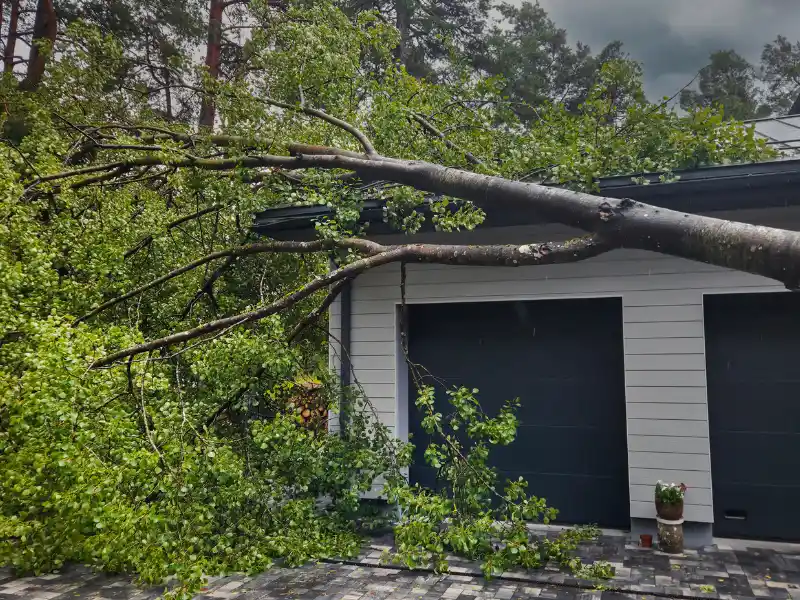
Summer thunderstorms across metro Atlanta can drop a tree limb through a roof or push wind-driven rain behind siding in minutes. Once water gets inside, it spreads into insulation, drywall, and flooring.
Our storm damage restoration handles the interior cleanup, structural drying, and rebuild. North Georgia Water Restoration also documents every detail so your claim reflects the full extent of the loss.
Get Emergency Storm Damage Cleanup Before More Rain Arrives
An opening in your roof or wall lets every passing shower add to the damage. Our crews respond 24/7, remove water, and start drying so small problems don’t turn into major repairs.
Local Weather Risks
How Georgia Storms Damage Homes and Businesses
Metro Atlanta storms rarely bring just one kind of damage. High winds bring down mature trees, especially in established DeKalb and Gwinnett neighborhoods, while hail can crack shingles and dent siding in minutes.
Heavy rain adds its own problems. Cobb County’s September 2009 flood affected more than 1,600 homes, and creek-side properties across the region still see water rise during long storms.
The damage you see from the driveway is usually only part of the story. Wet attic insulation, soaked wall cavities, and saturated subflooring can stay hidden for weeks, which is why storm damage repair should start with a full inspection.
Testimonials
What Your Neighbors Are Saying


Signs You Need Storm Damage Repair
Some storm damage is obvious, like a tree on the roof. Other problems take days to show up inside. Look for these signs after a severe storm:
- Ceiling stains or drips: Water entering through a damaged roof often shows up on upper-floor ceilings first.
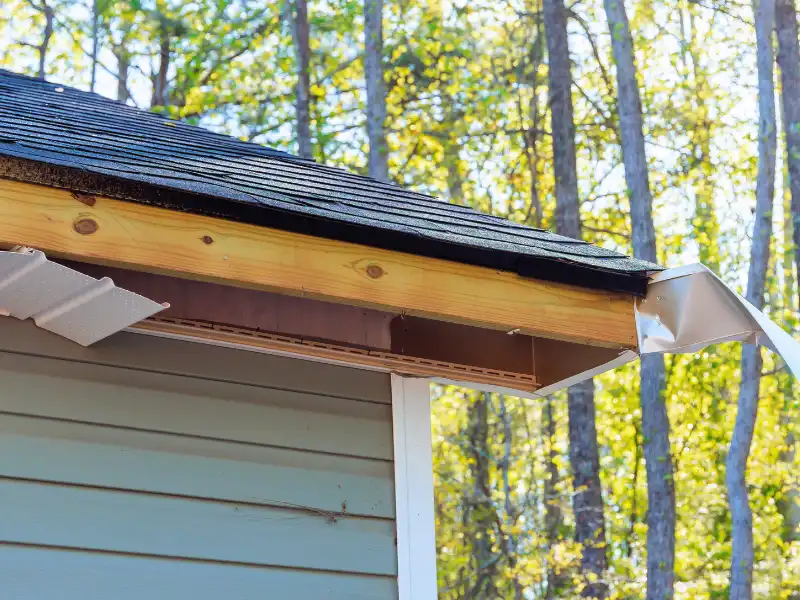
- Missing or cracked shingles: Wind and hail can loosen or break roofing, leaving the deck exposed.
- Dented siding or gutters: Hail impacts may point to hidden damage on roofing, flashing, and window frames.
- Damp attic insulation: Wet or matted insulation means rain has found a way in.
- Water in lower levels: Runoff can seep into crawlspaces and basements after heavy rain.
- Musty odors: A lingering damp smell may signal moisture trapped behind walls.
Even minor signs can hide bigger problems, especially after back-to-back storms. A free on-site assessment will show where water entered and how far it traveled. Calling early also gives your adjuster a clearer picture of the loss.
Start to Finish
How We Handle Wind and Hail Damage Repair
Every storm project begins with an inspection and moisture mapping. Technicians trace where water entered, check attic spaces and wall cavities, and document the damage for your adjuster in Xactimate and DocuSketch.
If openings need temporary protection, that happens first. Standing water is then extracted, wet materials that can’t be dried are removed, and air movers and dehumidifiers dry the structure while crews treat for mold as they go.
Crews also protect furniture and belongings during drying. Items that need deeper cleaning can be packed out and handled separately while the structure is repaired.
Once the building is dry, project managers guide the rebuild. Wind damage repair might mean replacing drywall, trim, and ceilings, while hail damage repair often covers the interior fixes that follow a compromised roof.
Fallen trees and heavy limbs sometimes damage framing as well. North Georgia Water Restoration coordinates that structural work alongside the interior repairs, so you’re not managing multiple contractors. Asbestos or lead found in older materials is handled in-house too.
Commercial properties get the same approach, with work scheduled to limit downtime. A final walkthrough wraps up every project so you can see exactly what was restored. Our team keeps you updated at each stage, so you always know what’s next.
Frequently Asked Questions
What should I do right after a storm damages my property?
Stay clear of downed power lines and any area with a sagging ceiling. If it's safe, take photos of the damage, then call your insurance company and our team so drying can start quickly.
Does insurance cover storm damage restoration?
Wind and hail losses are often covered under standard homeowners policies, while rising floodwater usually requires separate flood coverage. Your insurer makes the final call, and we work directly with your adjuster to document the loss.
Do you offer emergency storm damage cleanup at night?
Yes. Our crews are available 24/7 across Gwinnett, Fulton, DeKalb, Cobb, Forsyth, and nearby areas, including nights and weekends when storms tend to hit hardest.
What does hail damage repair include?
Hail can break shingles and damage flashing, which lets water reach the attic and ceilings below. Our work focuses on removing that water, drying the structure, and repairing the interior materials it affected.
How long does storm damage repair take?
Minor leaks may take a few days to dry and repair. Larger losses involving fallen trees or multiple rooms can take several weeks, and we'll share a clearer timeline after the inspection.
Why do so many storm claims involve trees?
Neighborhoods around Decatur, Tucker, and Lilburn have mature tree canopies that can drop large limbs during high winds. Wind damage repair in these areas often starts with structural work before the interior can be restored.
Do you handle commercial storm damage?
Yes. We work on offices, retail spaces, and multi-unit buildings, scheduling tasks to keep your business running wherever possible.