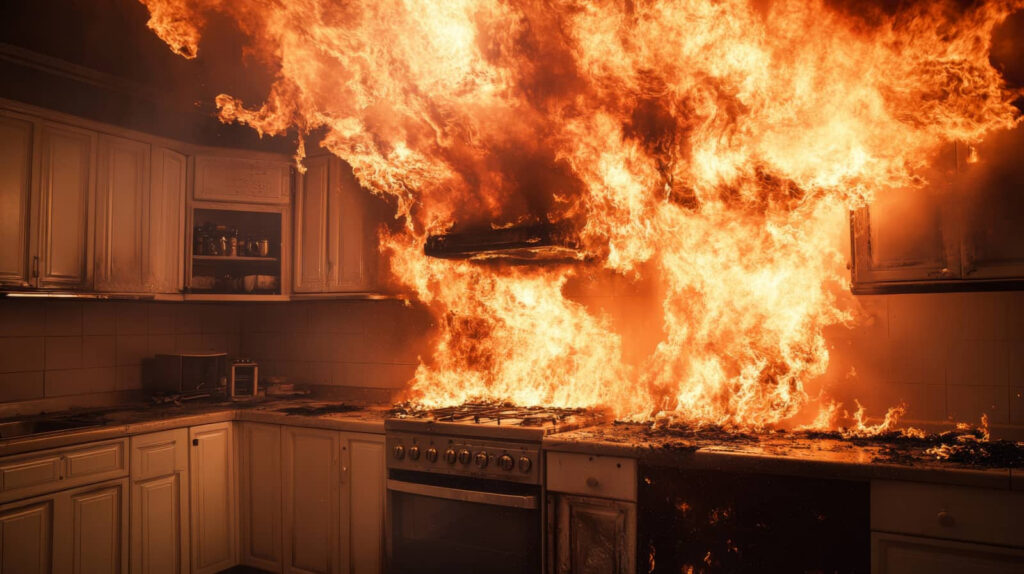
Fire damage restoration involves more than repairing the areas directly affected by flames. Even after a small fire, smoke, soot, lingering odors, and hidden water damage from firefighting efforts can affect walls, ceilings, flooring, and personal belongings. Start by securing the property when it is safe to do so, documenting losses, and contacting your insurance company before beginning major cleanup or repairs. Professional fire damage restoration includes assessing structural safety, removing soot and debris, treating smoke odors, addressing water damage, and determining which materials and belongings can be salvaged. Taking the right steps early can help protect your property, support your insurance claim, and make the recovery process smoother.
Key Takeaways
- Ensure everyone is safe, call emergency services, and do not re-enter the property until authorities declare it safe.
- Notify your insurance provider immediately and document damage with photos, receipts, and a detailed list of affected items.
- Arrange professional assessment for fire, smoke, soot, and water damage to identify structural, electrical, plumbing, and HVAC risks.
- Use restoration experts for cleanup, odor removal, drying, dehumidification, and repairs, including board-up and salvage services if needed.
- Prevent future fires by maintaining wiring, smoke alarms, extinguishers, and safe household practices like avoiding overloaded outlets and unattended heat sources.
First Steps After a Fire
After a fire, your first priority is safety: make sure everyone is out, call emergency services if needed, and don’t re-enter the property until authorities say it’s safe.
Once you’re clear, contact your insurance provider and begin fire damage restoration planning right away. Take photos only if you can do so safely from outside, and make a simple list of what you can see.
Secure the property with temporary board-up or tarps if approved, so weather and trespassers don’t add more damage. Keep receipts for emergency expenses and save every message from responders, insurers, and contractors.
You’re not facing this alone; trusted professionals can guide you through the next steps and help you move from shock to recovery with confidence.
What a Fire Damage Assessment Includes
A thorough fire damage assessment identifies the full extent of the harm so you know what needs immediate attention and what can be restored.
A trained professional inspects your property’s structure, including walls, floors, ceilings, roofing, framing, and support systems, for heat, charring, and hidden weakness. They’ll also evaluate electrical, plumbing, and HVAC components to spot safety risks.
You’ll receive a room-by-room review that documents damaged materials, salvageable items, and areas that need temporary stabilization. The assessor may take photos, measure moisture from firefighting efforts, and outline repair priorities and cost estimates.
This step gives you a clear recovery plan, helps you make informed decisions, and connects you with the right restoration team so you’re not facing the process alone.
Smoke Cleanup and Odor Removal
Once the fire damage assessment confirms the extent of the loss, the next priority is removing smoke residue and eliminating lingering odors.
You’ll want trained professionals to ventilate the space, contain affected areas, and use specialized equipment to clean the air. Odors can seep into fabrics, insulation, and hidden cavities, so thorough treatment matters.
HEPA filtration, air scrubbing, and thermal fogging can help neutralize smoke particles and make your property feel safe again. You should also replace contaminated filters and monitor humidity, since moisture can trap odor.
With the right restoration team, you’re not handling this alone; you’re restoring comfort, health, and confidence in your home or business.
Clear, methodical cleanup helps your space feel familiar again.
How to Remove Soot From Surfaces
You should start by lifting dry soot with a soft brush or vacuum fitted with a HEPA filter, since rubbing can push particles deeper into the surface.
Then you can clean each material with a gentle, surface-safe solution to avoid damage while removing residue.
Acting quickly also helps prevent stubborn stains, so you’ll want to treat affected areas as soon as possible.
Dry Soot Removal
When soot has dried on a surface, prompt, careful removal can help prevent permanent staining and reduce lingering odors. You’ll want to start by protecting yourself and the area, since dry soot can smear easily and spread from one spot to another.
Use a soft vacuum attachment or a dry chemical sponge to lift loose residue with light, controlled strokes. Work from the outside of the stain inward so you don’t widen the mark. Replace soiled materials as soon as they load up with soot.
Keep your movements gentle, and avoid rubbing, which can press particles deeper into the surface. If you’re cleaning with others, coordinate your approach so everyone works consistently. That teamwork helps you restore order faster and supports a calmer recovery process.
Surface-Safe Cleaning
Not every surface can tolerate the same cleaning method, so matching the approach to the material is key to removing soot safely. You’ll protect finishes by starting with the gentlest option: dry sponge, microfiber cloth, or HEPA vacuum for loose residue.
For painted walls, sealed wood, and metal, use a mild detergent solution and wipe lightly, turning cloths often so you don’t spread soot. On glass and tile, a nonabrasive cleaner helps lift film without scratching.
Always work from the outside in and keep moisture controlled. If you notice smearing, stop and switch methods.
When you clean carefully, you give your property a better chance to recover cleanly, and you stay in control of the process with confidence and care.
Stain Prevention Tips
After you’ve matched the cleaner to the surface, the next priority is preventing soot from setting into stains. Work from top to bottom, and vacuum loose residue with a HEPA tool before you wipe.
Use dry cleaning sponges on painted walls, trim, and ceilings, then rotate to a clean side often so you don’t spread grime. For glass, metal, and sealed surfaces, apply a mild cleaner to your cloth, not the surface, and wipe gently in one direction. Change cloths as soon as they darken.
Keep rooms dry and ventilated, because moisture can lock soot in place. If you spot stubborn discoloration, stop scrubbing and call a restoration pro.
You’re not handling this alone; careful, early action helps your property recover cleanly.
Dealing With Water Damage After a Fire
Water used to extinguish a fire can leave behind its own set of problems, so you’ll need to address moisture quickly to prevent mold, warping, and further structural damage. You’re not alone; many property owners face this after a fire, and prompt action can make recovery smoother.
Start by contacting a restoration team to assess saturation and extract standing water. Then focus on drying, ventilation, and dehumidification to reduce hidden dampness.
- Remove wet belongings you can safely salvage.
- Open windows only if outdoor conditions help drying.
- Document damage for your insurance claim.
Keep an eye on musty odors, peeling materials, and damp surfaces, since these often signal lingering moisture. Acting fast helps you protect your space and feel confident about the next steps.
Structural Repairs After Fire Damage
Once the fire is out and moisture has been addressed, you can turn to the structural repairs needed to make your property safe again.
A qualified contractor should inspect framing, joists, beams, floors, walls, and the roof for heat damage, warping, cracks, or loss of strength. You’ll want to replace compromised materials and reinforce anything that can’t safely carry load.
Electrical, plumbing, and HVAC systems often need testing before work continues. Permits and code compliance matter here, so your repairs meet local requirements and protect everyone who enters the space.
When you work with trusted professionals, you’re not rebuilding alone—you’re restoring stability, confidence, and a sense of home one step at a time.
What You Can Save After a Fire
Not everything damaged by fire has to be thrown away, and you can often salvage more than you might expect. With the right care, you can save items that weren’t directly burned and still belong in your home again.
Restoration pros often clean and recover belongings affected by smoke, soot, or water before you replace them.
- Hard surfaces like metal, glass, and some plastics can often be cleaned.
- Furniture and textiles may be restored if the damage is light and odors are treated quickly.
- Documents and keepsakes can sometimes be stabilized and preserved with specialized methods.
You’ll get the best results when you act fast, separate damaged items, and let trained specialists assess what’s safe to keep.
Fire Damage Costs and Insurance Claims
Fire damage restoration costs can vary widely depending on how much of your home was affected, what materials need cleaning or replacement, and whether smoke, soot, or water damage is involved.
You’ll usually pay for debris removal, cleaning, repairs, and any items that can’t be restored. Your insurance policy may cover many of these expenses, but coverage depends on your limits, deductible, and the cause of the fire.
Keep receipts, photos, and a detailed list of damaged belongings to support your claim. You should contact your insurer quickly and document every loss carefully.
Working with a trusted adjuster helps you understand what’s covered and what’s not. With clear records and steady communication, you can move forward confidently and stay connected to support.
When to Call a Fire Restoration Company
When should you bring in a fire restoration company? Call one as soon as the fire department clears your property, especially if you notice smoke odor, soot, water damage, or weakened materials.
You don’t have to handle recovery alone; a skilled team can help you feel supported and move forward with confidence. They’ll inspect the damage, document conditions, and begin cleanup before problems spread.
- If smoke has reached walls, fabrics, or HVAC systems, you need professional cleaning.
- If soot is coating surfaces or electronics, quick action can limit further damage.
- If ceilings, framing, or flooring look unstable, stop using the area and get help immediately.
A restoration company can guide your next steps and restore a safer, cleaner space.
How to Prevent Future Fire Damage
To reduce the risk of another fire, start by addressing the conditions that can lead to one in the first place. You can protect your property by checking wiring, replacing damaged cords, and keeping outlets from overloading.
Clean lint from dryers, clear grease from kitchens, and store flammables away from heat. Test smoke alarms monthly, change batteries as needed, and keep fire extinguishers where you can reach them quickly.
If you use space heaters, keep them on stable surfaces and away from fabrics. Create and practice an escape plan with everyone in your household so you all know what to do.
When you stay alert and maintain your systems, you join many property owners who’ve built safer, stronger spaces after a fire.
Frequently Asked Questions
How Long Does Fire Restoration Usually Take?
It usually takes a few days to several months, depending on damage severity. You’ll move faster with prompt inspection, smoke cleanup, soot removal, repairs, and insurance approval, and your team’ll keep you updated.
Is Fire Damage Restoration Safe to Do Yourself?
No, you shouldn’t do fire damage restoration yourself unless the damage is minor. You’ll face toxic soot, hidden structural issues, and electrical hazards, so you’re safer hiring trained professionals who’ll protect your home and family.
Can Insurance Deny a Fire Damage Claim?
Yes, your insurer can deny a fire damage claim if you miss policy requirements or cause is excluded. You can protect yourself by documenting damage, reporting quickly, and reviewing your coverage carefully with confidence.
What Documents Should I Keep for My Claim?
You should keep your policy, claim forms, photos, videos, repair estimates, receipts, inventory lists, and all insurer correspondence. You’ll strengthen your claim, track losses clearly, and give yourself a smoother path to recovery.
How Do I Choose a Fire Restoration Contractor?
Choose a fire restoration contractor with smoke-tested experience, proper licensing, insurance, and strong references. Ask for detailed estimates and timelines. Like a steady anchor, they’ll keep your recovery grounded, clear, and supported.
Summary
When the smoke clears, you’re not just rebuilding walls—you’re restoring peace of mind. Like a phoenix rising from the ashes, your property can recover with the right steps, support, and swift action. Secure the space, document the loss, and bring in trusted professionals when needed. By acting quickly and staying prepared, you protect what matters most and set the stage for a safer, stronger future. Fire damage is intimidating, but recovery is within your reach.